

Arnica 30C is one of the best-known homeopathic preparations in the UK, and many households keep a tube in the cupboard. This guide explains what arnica is, where it comes from, what “30C” means and how homeopathic pillules are usually taken.
Arnica has been part of European folk tradition for centuries and is one of the most familiar names in homeopathy.
What Is Arnica, Really?
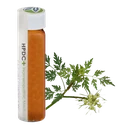
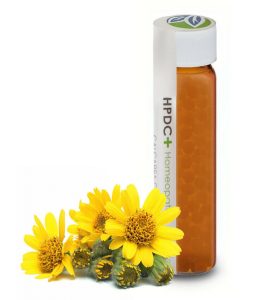
Arnica montana, sometimes called mountain arnica, leopard’s bane or wolfsbane, is a bright yellow flower of the daisy family, native to the alpine meadows of central Europe and the Pyrenees. For centuries, mountain shepherds used crushed arnica flowers as part of their folk traditions after long days on rocky pastures. The plant itself must not be eaten, which is one reason it is best known today in highly diluted homeopathic form and in creams for use on unbroken skin.
Arnica is listed in the European Pharmacopoeia and is widely sold in pharmacies across France, Germany, Italy and the UK.
Understanding the 30C Potency
“30C” describes a dilution scale used in homeopathic preparation. The mother tincture is diluted 1:100 in water and alcohol and shaken vigorously at each step. After 30 such steps, the preparation is added to small sucrose pillules. Homeopathic remedies are sold in several potencies:
- 6C — a lower potency.
- 30C — the potency most commonly sold for home use, and the one most pharmacies stock as standard.
- 200C and above — higher potencies, usually used with the guidance of a homeopathic practitioner.
If you are new to homeopathy, ask a homeopath or pharmacist which potency is right for you.
When to Reach for Arnica 30C
Arnica’s scope is wider than most people realise. The classic indication is bruising — but the remedy is genuinely useful for a long list of common acute situations.
Physical injuries
- Bumps, bruises & falls — The classic indication. Take immediately after any knock, before bruising has even appeared, and you will often see significantly reduced discolouration over the next 24 hours.
- Sprains & strains — Particularly when the injured area feels sore, bruised, and the person doesn’t want to be touched.
- Sports injuries — Football tackles, rugby collisions, cycling falls, gym mishaps. A staple in many physiotherapists’ first-aid kits.
- Concussion & head bumps — Always seek medical assessment for any head injury, but Arnica is widely used as a complementary support.
Muscle soreness & recovery
- Delayed Onset Muscle Soreness (DOMS) — The deep, achy soreness 24–48 hours after intense exercise or unaccustomed physical activity. Arnica can take the edge off significantly.
- Overexertion — That “beaten up” feeling after a long day of gardening, decorating, or heavy manual work.
- Long-haul travel fatigue — The bruised, weary sensation after extended sitting on flights or in cars.
Surgical & dental procedures
- Pre and post-operative support — A growing number of UK surgeons specifically recommend Arnica around elective procedures to support healing and reduce bruising/swelling.
- Dental work — Following extractions, implants, root canals, or even routine deep cleaning. Particularly helpful for the swelling that follows wisdom tooth removal.
- Childbirth — Many midwives suggest Arnica to support recovery from natural delivery (please consult your midwife first).
Emotional & physical shock
- Shock after an accident — The stunned, disconnected, “I’m fine” state that follows a frightening event or sudden physical trauma. Arnica is often the first remedy given before any other treatment.
- Fall-related anxiety in the elderly — Particularly relevant for older adults after a fall, even when there is no visible injury.
Important
Do not use arnica on broken skin or open wounds. Arnica is not a substitute for medical care: always seek medical attention for head injuries, suspected fractures, deep cuts or any injury that does not improve. If symptoms persist, speak to your doctor.
How Homeopathic Pillules Are Usually Taken
- Follow the directions on the pack. Homeopathic pillules are usually placed under the tongue and allowed to dissolve, not chewed.
- Keep a gap around food and drink. Many people avoid eating, drinking or brushing their teeth for around 15 minutes before and after taking pillules, and avoid strong flavours such as mint and coffee.
- Handle the pillules as little as possible. Tip them into the cap rather than your hand.
- Store with care. Keep the tube tightly closed, in a cool, dry place away from strong smells and direct sunlight.
What Does the Science Say?
Homeopathy remains an area of active scientific debate, and a fair assessment requires acknowledging both sides. The clinical evidence on Arnica specifically is mixed but contains several positive trials:
- A 2003 systematic review in the Archives of Facial Plastic Surgery concluded Arnica significantly reduced post-operative bruising and swelling after rhytidectomy.
- A 2010 randomised double-blind trial published in Homeopathy found Arnica 30C reduced pain after total knee arthroplasty compared to placebo.
- Multiple dental trials have reported reduced pain and swelling with Arnica versus placebo after extractions.
- Other trials (notably for marathon runners) have shown no benefit beyond placebo.
What is undeniable is that millions of people across Europe, India and South America — including many doctors, dentists, midwives and physiotherapists — find personal clinical value in Arnica and recommend it routinely. For a remedy that has no known side effects, no drug interactions, and costs around £5.50 for a pot that lasts many months, it earns a place in most family medicine cabinets.
Frequently Asked Questions
Q: Can children use Arnica 30C?
Please ask a pharmacist, homeopath or your GP before giving any homeopathic product to a child.
Q: Can I use it alongside other medicines?
Always check with your GP or pharmacist first, especially if you take any medication, are pregnant or breastfeeding.
Q: How many pillules are in a pot?
The 6g pot contains around 100 pillules.
Q: Is homeopathic arnica the same as arnica cream?
No. Arnica creams and gels contain plant extract and are for external use on unbroken skin only. Homeopathic pillules are a highly diluted preparation taken by mouth.
This article is for informational purposes only and does not constitute medical advice. Homeopathic remedies are complementary medicine and should not replace professional medical care for serious injuries or persistent symptoms. Always seek immediate medical attention for head injuries, suspected fractures, deep wounds, or any worsening condition.