Vitamin guideVitamin A (retinol)
Vitamin A, also known as retinol, is a fat-soluble vitamin the body stores for later use. Here is what it does, where it is found in food and how much adults need, based on NHS guidance.
What it does
- Helps the body’s natural defence (the immune system) work properly
- Helps vision in dim light
- Keeps skin and the lining of some parts of the body, such as the nose, healthy
Good food sources
- Cheese, eggs, milk and yoghurt
- Oily fish such as salmon, sardines, trout, herring or mackerel
- Fortified low-fat spreads
- Liver and liver products (a very rich source, so no more than once a week)
- Beta-carotene, which the body turns into vitamin A: spinach, carrots, sweet potatoes, red peppers, mango, papaya and apricots
How much do adults need?
Adults aged 19 to 64 need 700 µg a day (men) and 600 µg a day (women). Most people get all they need from a varied diet, and because the body stores vitamin A you do not need it every day.
Good to know
- Keep your total from food and supplements to 1.5 mg (1,500 µg) a day or less.
- Fish liver oils, such as cod liver oil, are high in vitamin A. If you eat liver every week, do not take supplements that contain vitamin A.
- If you are pregnant, avoid liver and liver products, and check with your midwife or GP before taking any supplement that contains vitamin A.
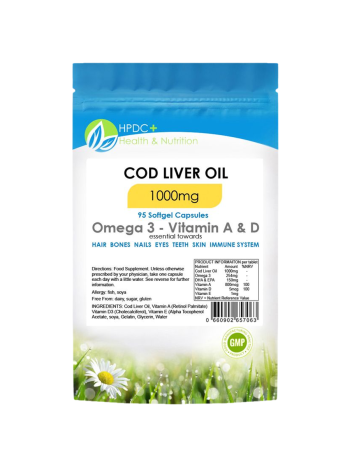
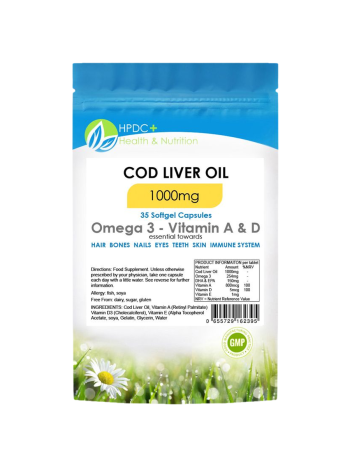
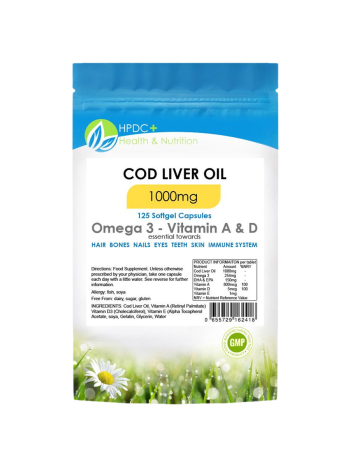
Cod liver oil in our shop
Cod liver oil naturally contains vitamins A and D. Check the label for the amount per capsule. Read our guide to cod liver oil.