
Peppermint is one of the most familiar herbs in the British kitchen. Its cool, bright flavour turns up in teas, sweets, chocolate and toothpaste, and a pot of peppermint tea after dinner is a habit in many homes. But this everyday herb has an interesting story. Here is a guide to peppermint: what it is, where it came from, and how to get the best from the dried leaf.
What is peppermint?
Peppermint (Mentha × piperita) is a hybrid mint, a natural cross between watermint and spearmint. It belongs to the mint family, Lamiaceae, alongside herbs such as basil, rosemary and sage. Native to Europe and the Middle East, it is now grown in many parts of the world, and it is occasionally found growing wild beside its parent species.
The plant has square stems, dark green leaves with reddish veins and toothed edges, and small purple flowers from mid to late summer. Its distinctive cooling taste comes mainly from two natural compounds in the leaves, menthol and menthone.
An English discovery
Peppermint has a particularly British history. It was first identified in Hertfordshire by a Dr Eales, and the naturalist John Ray described it in 1696 in his book Synopsis Methodica Stirpium Britannicarum. Ray later gave it the name “Peper-Mint” in his Historia Plantarum; it was added to the London Pharmacopoeia in 1721, and in 1753 Carl Linnaeus gave it the name Mentha piperita, meaning “peppery mint”.
Peppermint and its close relatives are counted among the oldest herbs used in both cooking and traditional herbal preparations, and over the following centuries peppermint became one of the most widely grown mints of all. Several commercial varieties grown today still carry the name “Mitcham”.
How people enjoy peppermint
Dried peppermint leaves are wonderfully versatile:
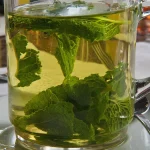
- Peppermint tea. The classic. Fresh or dried leaves are used on their own or blended with other herbs in herbal infusions. Peppermint tea is naturally caffeine free and is traditionally enjoyed after meals.
- Herbal blends. Peppermint pairs well with chamomile, lemon balm, nettle, liquorice or fennel, and brightens up heavier, earthier herbs.
- In the kitchen. A pinch of dried peppermint adds freshness to yoghurt dips, desserts, fruit salads and even hot chocolate.
- Iced tea. Brew it strong, cool it and pour over ice with a slice of lemon in summer.
Beyond the teapot, peppermint is used to flavour ice cream, sweets, fruit preserves and chewing gum, which is one reason its taste feels so familiar.
To make a cup of peppermint tea, add a teaspoon of dried leaf to a mug, pour over freshly boiled water, cover and steep for 5 to 10 minutes, then strain. Covering the cup helps to keep the aromatic oils in your tea rather than in the air.
How to choose and store dried peppermint
- Check the name. Look for Mentha × piperita (sometimes written Mentha piperita). Other mints, such as spearmint, taste sweeter and milder.
- Use your senses. Good dried peppermint is green rather than brown and has a strong, clean scent as soon as you open the pack.
- Store it properly. Keep the leaves in an airtight container, away from light, heat and moisture. Stored like this, the aroma stays fresh for longer.
Frequently asked questions
What is the difference between peppermint and spearmint?
Peppermint is a hybrid of spearmint and watermint. It contains more menthol, so it tastes stronger and cooler, while spearmint is sweeter and milder.
Does peppermint tea contain caffeine?
No. Peppermint tea is a herbal infusion and is naturally caffeine free.
Can I reuse peppermint leaves for a second cup?
You can, although the second infusion will be lighter. Many people simply use a little more leaf for a stronger single cup.
Is peppermint tea suitable for everyone?
Most people enjoy it as an everyday drink. If you are pregnant, breastfeeding, taking any medication or have a health condition, speak to your GP or pharmacist before using herbal products regularly.
Find peppermint at HPDC Nutrition
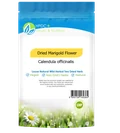
Our Dried Peppermint Leaf (Mentha piperita) is a premium loose herb, ready for your teapot or your own blends. It comes in 30g and 50g packs. While you are here, explore our other dried herbs, including our Dried Organic Calendula Petals, which make a colourful addition to herbal tea blends.
Sources
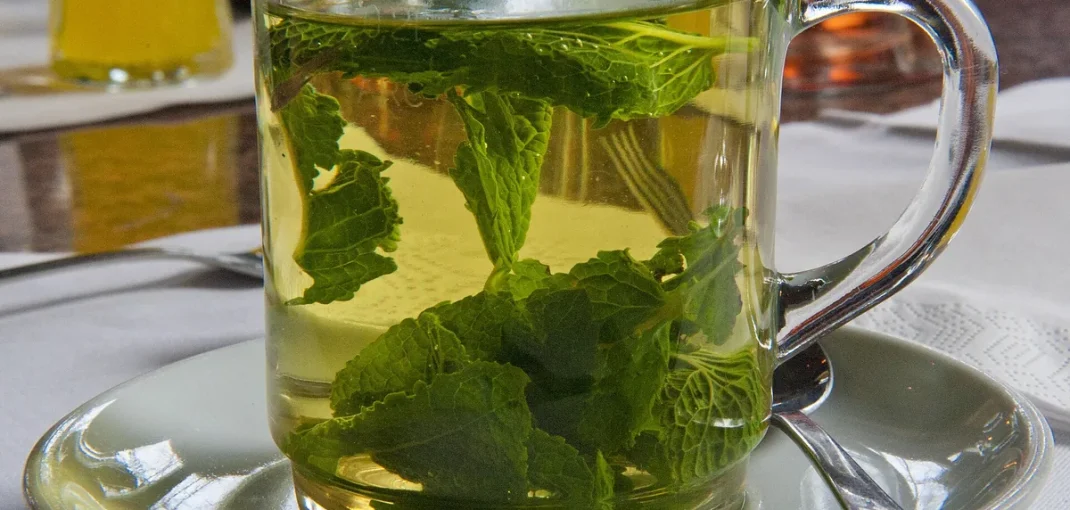
Featured image: Peppermint-tea hg.jpg by Hannes Grobe, CC BY 3.0, via Wikimedia Commons.
This article is for general information and is not medical advice.