
Few flowers carry as much history as the blue lotus. Painted on temple walls and laid in royal tombs, this water lily from the Nile has been admired for thousands of years. Today people enjoy it in a much quieter way: as a gentle evening ritual. Here is a short guide to what blue lotus is, where it comes from and how to enjoy it.
What is blue lotus?
Blue lotus is the common name for Nymphaea caerulea, a water lily that botanists now often list as Nymphaea nouchali var. caerulea. Despite the name, it is not a true lotus (the genus Nelumbo) but a member of the water lily family. It is also known as the Egyptian blue water lily or the sacred blue lily of the Nile.
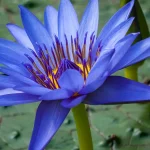
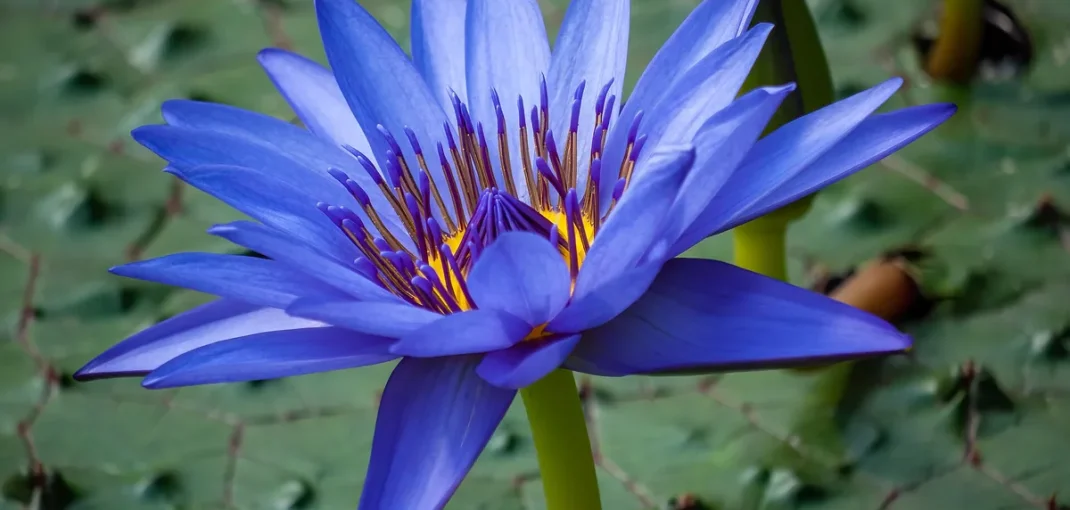
The plant grows in still, shallow water, with round floating leaves and pale sky-blue petals around a bright yellow centre. Its flowers rise to the surface over two or three days, open in the mid-morning and close again near dusk. Each flower lasts around four days, closing up every night.
Blue lotus naturally contains aporphine alkaloids such as nuciferine, which is one reason it has drawn so much interest from botanists and historians.
A flower of ancient Egypt
Blue lotus appears again and again in ancient Egyptian art. Because it opens with the morning sun and closes in the evening, it became closely linked with the sun and with ideas of rebirth. It was the symbol of the god Nefertem, and it played a part in religious festivals.
The flower was also found in tombs. When Howard Carter’s team opened Tutankhamun’s burial chamber in 1922, blue lotus petals were among the plant remains discovered there. Sadly, the plant has become rare along the Nile itself because of changes to the river’s ecology, but it is grown in botanic gardens around the world.
How people enjoy blue lotus today
In modern homes, blue lotus is usually enjoyed in one of three ways:
- As a tincture: a liquid extract taken as a few drops in water, juice or a herbal tea. This is the easiest way to enjoy it consistently.
- As a tea: dried flowers steeped in hot water, often as part of a wind-down routine in the evening.
- As part of a ritual: many people simply like to make time for a quiet cup in the evening, with a book, soft light and no screens.
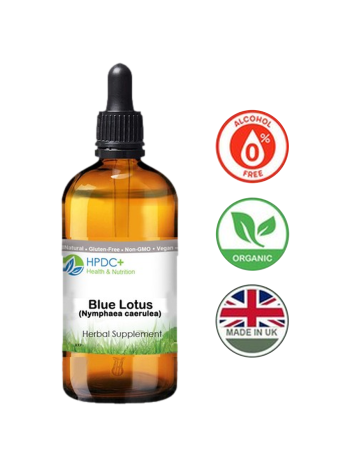
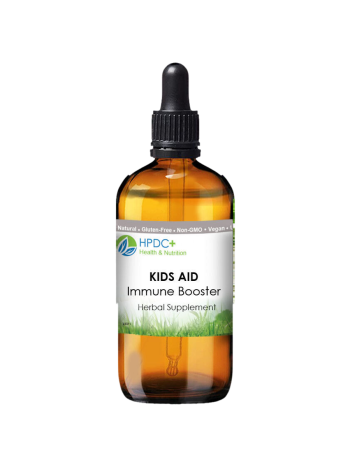
Our Blue Lotus Tincture is made from organic Nymphaea caerulea flowers and is alcohol free. Simply add a few drops to water, juice or an evening tea, and follow the directions on the bottle.
How to choose and store blue lotus
A few simple checks help you choose a good product:
- The botanical name. Look for Nymphaea caerulea on the label, so you know you are buying blue lotus and not another water lily.
- Alcohol free or not. Many tinctures are made with alcohol. An alcohol-free extract suits people who prefer to avoid it.
- Amber glass. Dark glass protects herbal extracts from light.
- Clear directions. A good label tells you how much to use and how often.
Store your tincture upright with the cap closed, in a cool, dry place out of direct sunlight, and keep it out of reach of children. Dried flowers are best kept in an airtight jar away from heat and moisture.
Frequently asked questions
Is blue lotus the same as the lotus flower?
No. The sacred lotus belongs to the genus Nelumbo. Blue lotus (Nymphaea caerulea) is a water lily, from a different plant family, even though both share the name “lotus”.
Does blue lotus contain alcohol?
The plant itself does not, but many tinctures are made with alcohol. Our blue lotus tincture is alcohol free.
When do people usually take blue lotus?
Most people enjoy it in the evening, as part of a calm routine at the end of the day. Always follow the directions on the label.
Can anyone use blue lotus?
If you are pregnant, breastfeeding, taking any medication or have a health condition, speak to your GP or pharmacist before using any herbal product.
Discover blue lotus at HPDC Nutrition
If you would like to make blue lotus part of your evenings, our organic, alcohol-free Blue Lotus Tincture is available in 30ml, 50ml, 100ml and 500ml bottles. You can also browse our full range of alcohol-free tinctures or explore all of our herbal tinctures and flower extracts.
Sources
- Wikipedia: Nymphaea nouchali var. caerulea (blue lotus)
- HPDC Nutrition: Blue Lotus Tincture product page
Featured image: Nymphaea caerulea-20091014-RM-115245.jpg by Ermell, CC BY-SA 4.0, via Wikimedia Commons.
This article is for general information and is not medical advice.