
Amla, also called Indian gooseberry, is a small, sharp-tasting green fruit that has been part of South Asian kitchens and traditions for a very long time. Dried and ground into a fine powder, it is now enjoyed all over the world, stirred into smoothies, juices and warm drinks. Here is a simple guide to amla: what it is, where it comes from and how to use amla powder at home.
What is amla?
Amla is the fruit of Phyllanthus emblica, a small to medium-sized deciduous tree that grows from about 1 to 8 metres tall. It is also known as emblic, amalaki or amloki, and its native range is tropical and southern Asia.
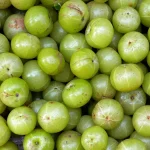
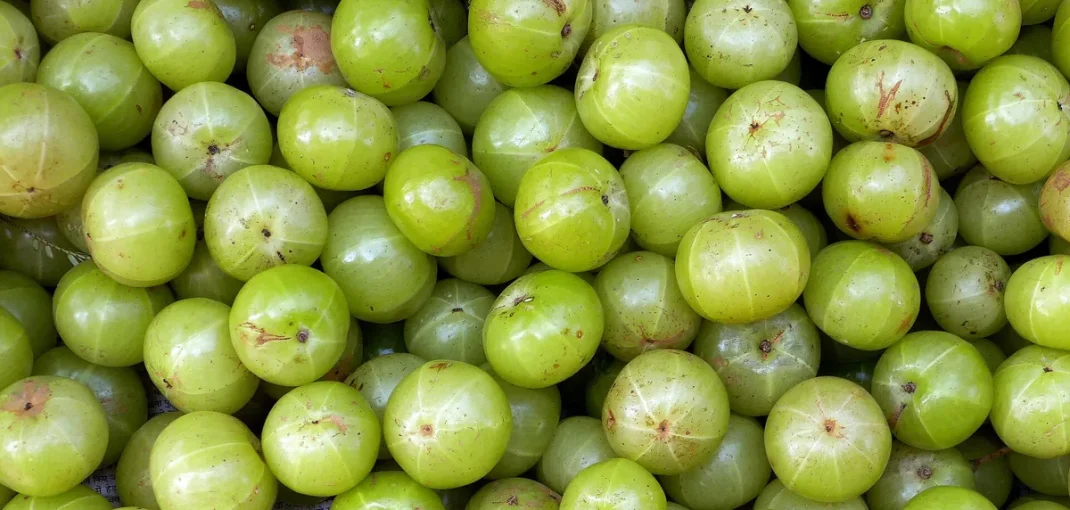
The fruit is almost round, light greenish-yellow, smooth and firm, with six faint vertical stripes. Fruits ripen in autumn and are traditionally harvested by hand, by climbing into the upper branches. Amla is naturally rich in vitamin C (ascorbic acid) and also contains polyphenols such as ellagic acid and gallic acid. Its taste is famously sour, bitter and astringent, which is why it is often mixed with something sweet.
Amla in tradition and culture
Amla holds a special place in South Asian culture. In Ayurveda, the traditional system of Indian herbalism, both dried and fresh fruits are a common ingredient, and amla is an ingredient of the well-known Ayurvedic blend Triphala.
The fruit also appears in religious tradition. There are many references to it in Buddhist texts, where the Buddha’s knowledge of all things is compared to an amla fruit held in the palm of the hand. In Hinduism the tree, called āmalaka in Sanskrit, is considered sacred, and the festival of Amalaka Ekadashi honours it. A stone element named after the fruit, also called an amalaka, sits at the top of temple towers such as the Lingaraj temple in Bhubaneswar.
How people enjoy amla
In South Asia fresh amla is often pickled with salt, oil and spices, added to dal, or made into murabba, a sweet preserve of whole fruits soaked in sugar syrup. Amla powder is the easiest way to enjoy the fruit outside its home region. Popular ideas include:
- In a smoothie. Its sharp flavour works well with banana, mango or berries.
- With juice or water. Stir a little powder into orange or apple juice, or into water with a spoonful of honey.
- Over breakfast. Sprinkle it over yoghurt, porridge or granola.
- In a warm drink. Mix with warm (not boiling) water, honey and a squeeze of lemon.
Start with a small amount, such as half a teaspoon, so you get used to the taste, and always follow the directions on the pack.
How to choose and store amla powder
- Check the botanical name. Look for Phyllanthus emblica on the label.
- Look for a single ingredient. Pure amla powder should not need added sugar or fillers.
- Colour and texture. Good amla powder is fine, dry and light brown to greenish in colour, with a sharp, fruity smell.
- Store it airtight. Powders take up moisture from the air, so reseal the pack straight after use and keep it in a cool, dry, dark place. Use a dry spoon every time.
Frequently asked questions
What does amla powder taste like?
It is sour, bitter and astringent, with a fruity edge. Most people enjoy it best mixed with juice, honey or fruit.
Is amla the same as the gooseberry grown in the UK?
No. The British gooseberry is Ribes uva-crispa, a different plant. Amla is called “Indian gooseberry” because of the fruit’s size and sharp taste.
Can I add amla powder to hot drinks?
Yes. Many people find it most pleasant in warm rather than boiling water, with a little honey.
Is amla suitable for everyone?
If you are pregnant, breastfeeding, taking any medication or have a health condition, speak to your GP or pharmacist before using a herbal product regularly.
Try amla from HPDC Nutrition
Our Organic Amla Powder (Indian Gooseberry) is made from Phyllanthus emblica fruit and comes in 50g, 100g and 150g packs, so you can start small or stock up. Discover more ways to add plants to your day in our range of herbal powders, or explore our vitamins and food supplements.
Sources
Featured image: Fruits de Phyllanthus emblica à Pushkar (Rajasthan) (2).jpg by Ji-Elle, CC BY-SA 4.0, via Wikimedia Commons.
This article is for general information and is not medical advice.