
Walk through a Scottish glen or a heath in the south of England and you will often smell Scots pine before you see it. This tall evergreen is woven into British landscapes and history, and its needles have long been used to make a fragrant, woodland-scented tea. Here is everything you need to know about Scots pine needle tea, from the tree itself to brewing your first cup.
What is Scots pine?
Scots pine (Pinus sylvestris) is the only true pine native to the UK and one of only three native conifers. It is the national tree of Scotland, and the old Caledonian pine forests are home to red squirrels, capercaillie and Scottish crossbills.
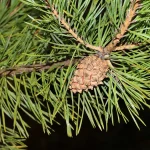
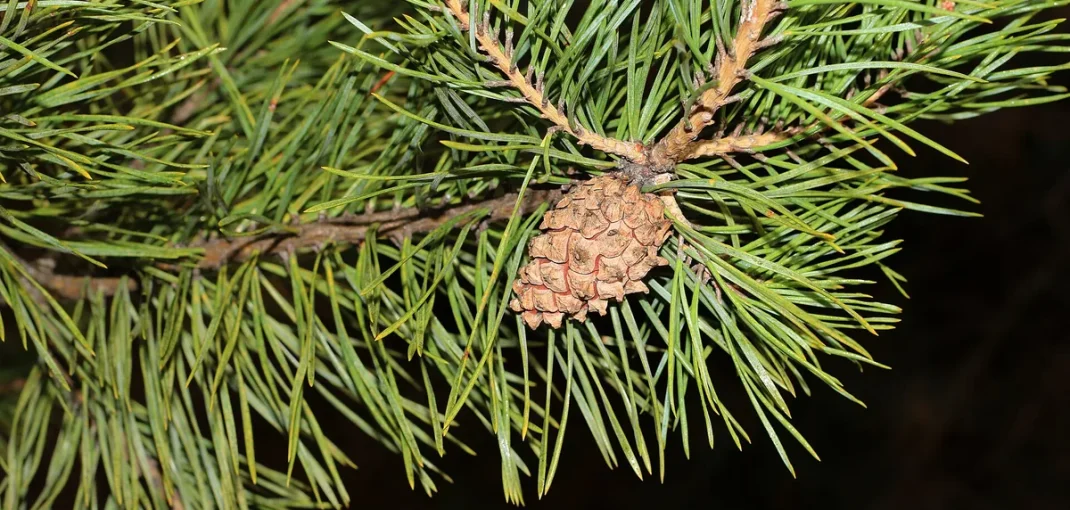
Mature trees can reach around 35 metres and live for up to 700 years. You can recognise Scots pine by its orange-red bark near the crown and its needles: blue-green, slightly twisted and growing in pairs on short side shoots. Because it is evergreen, the needles are on the tree all year round.
A tree with many traditional uses
Scots pine has been useful to people for centuries. Its timber is one of the strongest softwoods available and has long been used in building, joinery, fencing and telegraph poles. The tree can be tapped for resin to make turpentine, its roots have been used for tar, its inner bark for rope, and its cones for a natural dye.
Pine needles have been brewed into tea in many parts of the world. In Korea, a traditional tea called sollip-cha is made from the needles of native red pines, and in North America teas have been made from the needles of local pines such as the eastern white pine. Pine needle tea is naturally astringent, which is why a little honey is often added.
How to make Scots pine needle tea
Pine needle tea is simple to make at home with dried needles:
- Add a teaspoon or two of dried pine needles to a cup or teapot.
- Pour over hot water that has cooled slightly from the boil.
- Cover and leave to steep for 5 to 10 minutes. Covering the cup keeps the aromatic oils in.
- Strain, then add honey or a slice of lemon if you like.
The result is a pale, golden tea with a fresh, resinous, slightly citrusy flavour. It is naturally caffeine free, which makes it a pleasant choice for the afternoon or evening, and a comforting warm drink in the colder months. Many people also add pine needles to their own herbal blends, for example with mint or lemon peel.
Choosing and storing pine needles
If you are tempted to forage, take care. Several trees look similar to pine, and some conifers, including yew, are highly poisonous. Unless you are completely sure of the tree, it is safer to buy needles from a supplier who names the species.
- Check the species. Look for Pinus sylvestris on the label.
- Look and smell. Good dried needles keep a green colour and a clear pine scent.
- Store well. Keep them in an airtight container in a cool, dark, dry place, and use them within the date shown on the pack.
Frequently asked questions
What does pine needle tea taste like?
It has a light, fresh, resinous flavour with a gentle citrus note and a slight astringency. Honey or lemon rounds it off nicely.
Does pine needle tea contain caffeine?
No. Pine needle tea is naturally caffeine free.
Can I use any pine or conifer?
No. Only use needles you are sure come from a true pine. Some conifers, such as yew, are toxic. Buying dried needles from a named species is the safest option.
Is pine needle tea suitable for everyone?
If you are pregnant, breastfeeding, taking any medication or have a health condition, speak to your GP or pharmacist before trying any herbal tea.
Brew your own at HPDC Nutrition
Our Dried Scots Pine Needles are a single herb, Pinus sylvestris, gently dried to keep their natural aroma and colour. They come in 30g and 50g packs, ready for your teapot. If you prefer pine in other forms, take a look at our Pine Needle Powder, or browse our full range of dried herbs.
Sources
- Woodland Trust: Scots pine (Pinus sylvestris)
- Woodland Trust: Yew (Taxus baccata)
- Wikipedia: Pine needle tea
Featured image: Pinus sylvestris 2020 G2.jpg by George Chernilevsky, CC BY-SA 4.0, via Wikimedia Commons.
This article is for general information and is not medical advice.