

For generations, a daily spoonful of cod liver oil was part of family life across northern Europe. Today most people take it as a simple capsule, but the reasons it became so popular remain the same: it is a natural source of omega-3 fatty acids and of vitamins A and D. Here is a clear guide to what cod liver oil is, its history, and what to look for when you choose a supplement.
What is cod liver oil?
Cod liver oil is an oil taken from the liver of the Atlantic cod (Gadus morhua). Like other fish oils, it contains the omega-3 fatty acids EPA (eicosapentaenoic acid) and DHA (docosahexaenoic acid). Unlike most fish body oils, it also naturally contains vitamin A and vitamin D, because these vitamins are stored in the liver.
According to the NHS, vitamin D helps to regulate the amount of calcium and phosphate in the body, which are needed to keep bones, teeth and muscles healthy. Vitamin A helps the body’s natural defences work properly, helps vision in dim light and helps keep skin healthy.
A long history
Cod liver oil has a long history of traditional use in northern European countries. In the 1800s it became popular as a bottled product, taken by the teaspoon each day, and in northern Europe and the United States giving children cod liver oil remained a common practice well into the 1950s. One photograph from 1944 shows children in Cambridgeshire, England, being given their daily dose.
Cod liver oil also played a part in the story of vitamins. In 1914 the American researchers Elmer McCollum and Marguerite Davis found a substance in it that was later named vitamin A, and research using cod liver oil led to vitamin D being identified and named in 1922.
The famously strong taste is the reason many people now prefer softgel capsules, which are easy to swallow and have no fishy flavour on the spoon.
How people use cod liver oil today
Most adults take cod liver oil as a daily capsule, often with a meal. Autumn and winter are a natural time to think about it. The NHS explains that between October and early March we do not make enough vitamin D from sunlight in the UK, and government advice is that everyone should consider taking a daily vitamin D supplement during the autumn and winter. Adults need 10 micrograms of vitamin D a day.
A few sensible points to keep in mind:
- Do not take cod liver oil if you are pregnant. The NHS advises not to take cod liver oil or any supplement containing vitamin A (retinol) during pregnancy.
- Watch your total vitamin A. The NHS advises that people at higher risk of osteoporosis, such as older men and women after the menopause, should have no more than 1.5mg of vitamin A a day from food and supplements combined, including fish liver oil. If you eat liver or liver pâté once a week, the NHS suggests not taking supplements that contain vitamin A.
- Do not double up. Check the labels of any multivitamins you take, so that you are not taking extra vitamins A and D by accident.
- Follow the label. Do not take more than the stated dose.
How to choose and store cod liver oil
- Check the source. Look for cod liver oil from Gadus morhua on the label.
- Read the vitamin content. A good label tells you how much vitamin A and D each capsule contains, so you can stay within NHS guidance.
- Choose a pack size that suits you. If you are new to cod liver oil, a smaller pack lets you start simply.
- Store it well. Keep capsules in a cool, dry place out of direct sunlight, with the lid closed, and out of reach of children.
Frequently asked questions
What is the difference between cod liver oil and fish oil?
Fish oil usually comes from the body of oily fish and mainly provides omega-3 fatty acids. Cod liver oil comes from the liver of the cod, so as well as omega-3 it naturally contains vitamins A and D.
When is the best time to take cod liver oil?
Many people take it with a meal, which can make capsules easier to take. Follow the directions on the pack.
Can I take cod liver oil when pregnant?
No. The NHS advises not to take cod liver oil, or any supplement containing vitamin A, during pregnancy.
Can children take cod liver oil capsules?
Our capsules are not recommended for children unless a healthcare professional advises it.
Cod liver oil at HPDC Nutrition
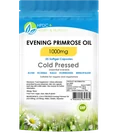
Our Cod Liver Oil 1000mg capsules are made with oil from wild Atlantic cod, in easy-to-swallow softgels. The 65-capsule pack is a popular choice, and the same capsules come in 35, 95 and 125-capsule packs. Adults usually take 1 to 2 capsules a day with water, ideally with a meal. You might also like our Evening Primrose Oil 1000mg, or you can browse all of our vitamins and food supplements.
Sources
- NHS: Vitamin D
- NHS: Vitamin A
- NHS: Vitamins, supplements and nutrition in pregnancy
- Wikipedia: Cod liver oil
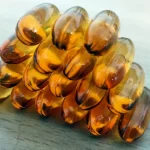
Featured image: Omega 3 Fish oil softgel capsules.jpg by Gpkp, CC BY-SA 4.0, via Wikimedia Commons.
This article is for general information and is not medical advice.